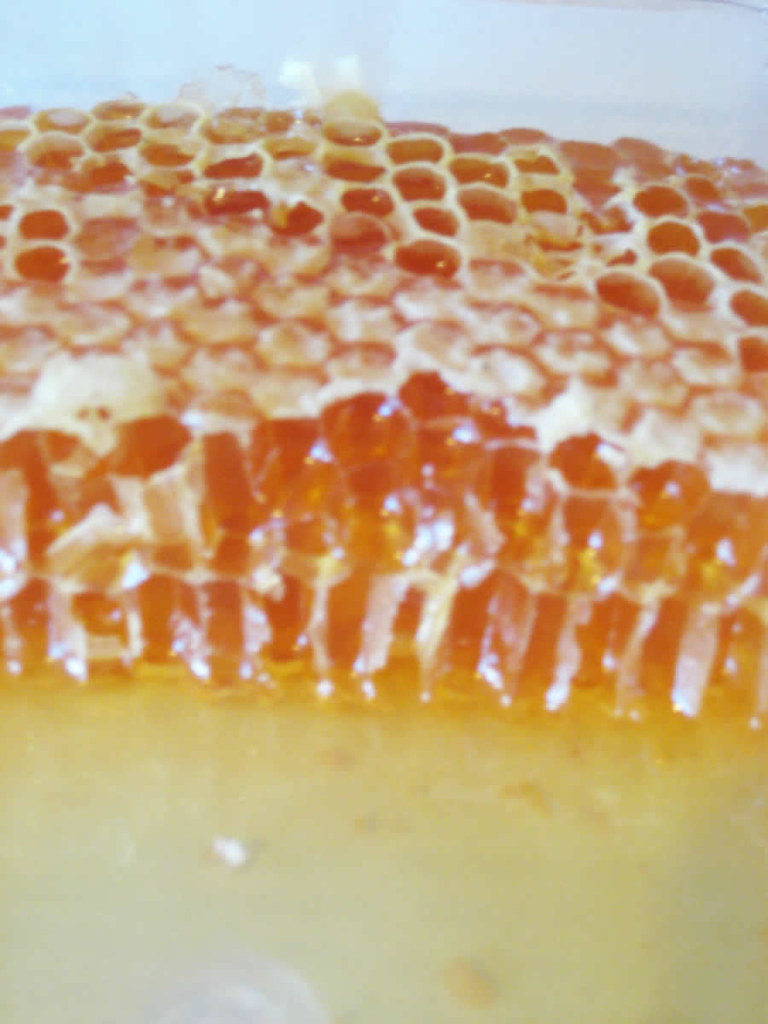
intro.
Okay, this may sound very weird but hear me out. Bees are one of the world’s most valuable species and are very endangered. Okay, let’s go on a very long explanation.
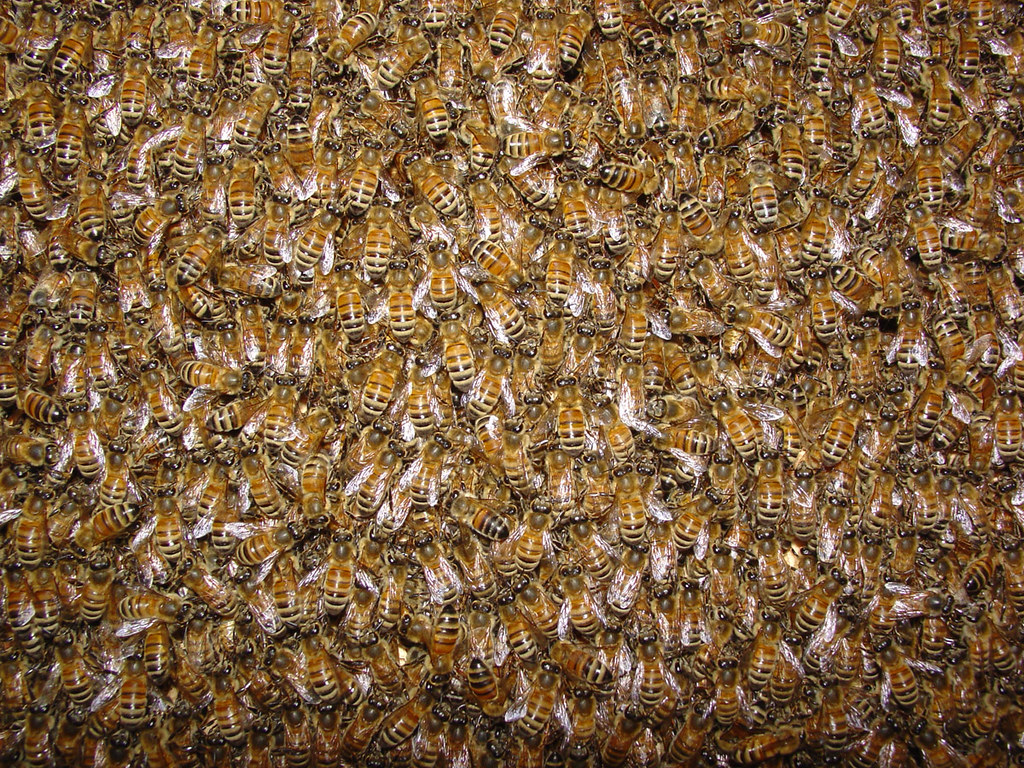
“bees” by kokogiak is licensed under CC BY 2.0.
Bees are very interesting. They have two stomachs, five main eyes, and 170 smell receptors. They also have an interesting dance that tells others where food is. They also have a very strange scientific name: Apis mellifera. Bees are very important for many things, but one of them is that they make one in every three mouthfuls of food that we consume, they make nature’s candy, and they can fly backwards. Their history started 140 million years ago, when plants decided, “I am going to become colorful!” And”Bee” came very colorful indeed. This made the previously very carnivorous bees go vegetarian and start making history and a balance so delicate that I don’t think the ancestors from bee heaven even realized it. Humans used to have a amazing relationship with bees until we officially decided to “Bee” very annoying and start transitioning into very nature-destroying-life.
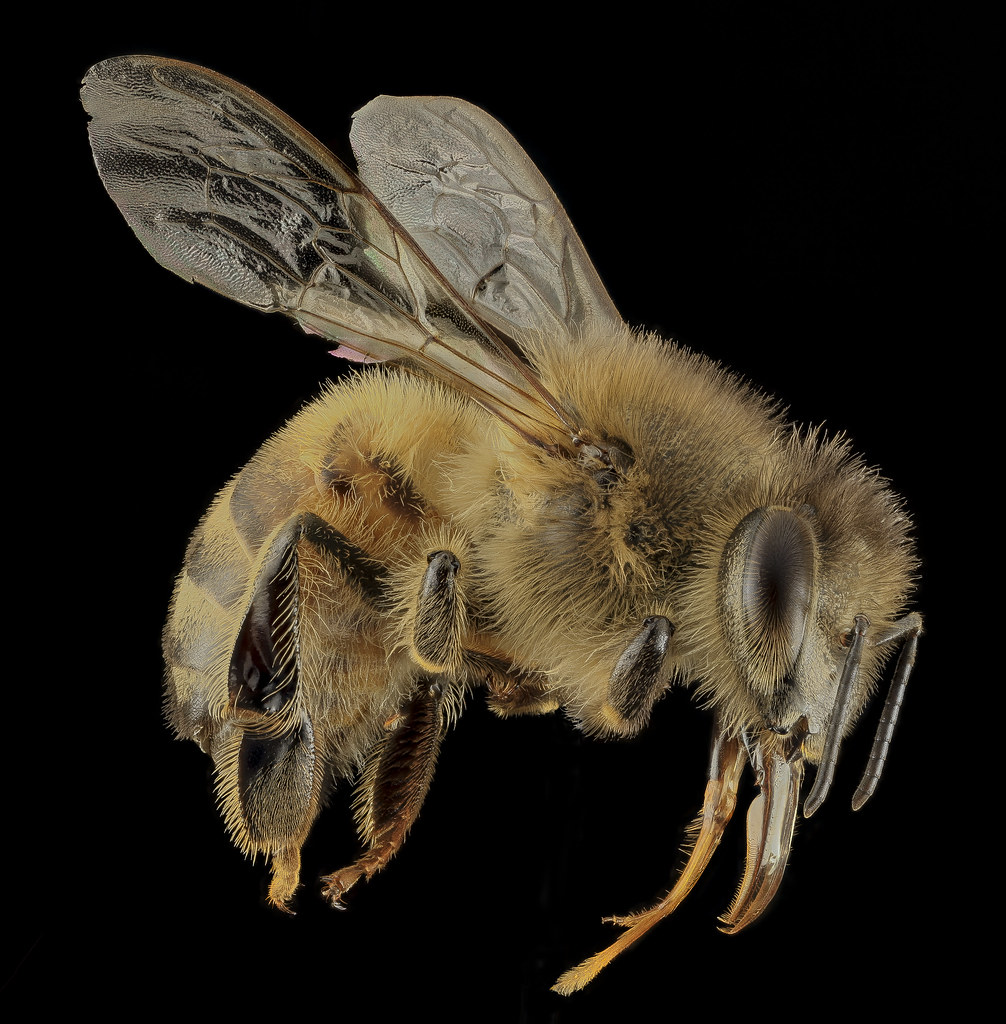
“Honey bee, f, side, DC_2014-04-24-21.15.03 ZS PMax” by Sam Droege is marked with Public Domain Mark 1.0.
problems.
Bees have several problems that make survival harder. One problem is that they are losing their homes because land is being used for buildings and roads instead of wild plants. This means bees have fewer flowers to get food from.
Another issue is the use of pesticides on crops. These chemicals are meant to kill harmful insects, but they can also hurt bees when they touch the plants or collect nectar. one in 10 bee species pieces. Extinction. in America. The total be population has declined by 60% since 1947.
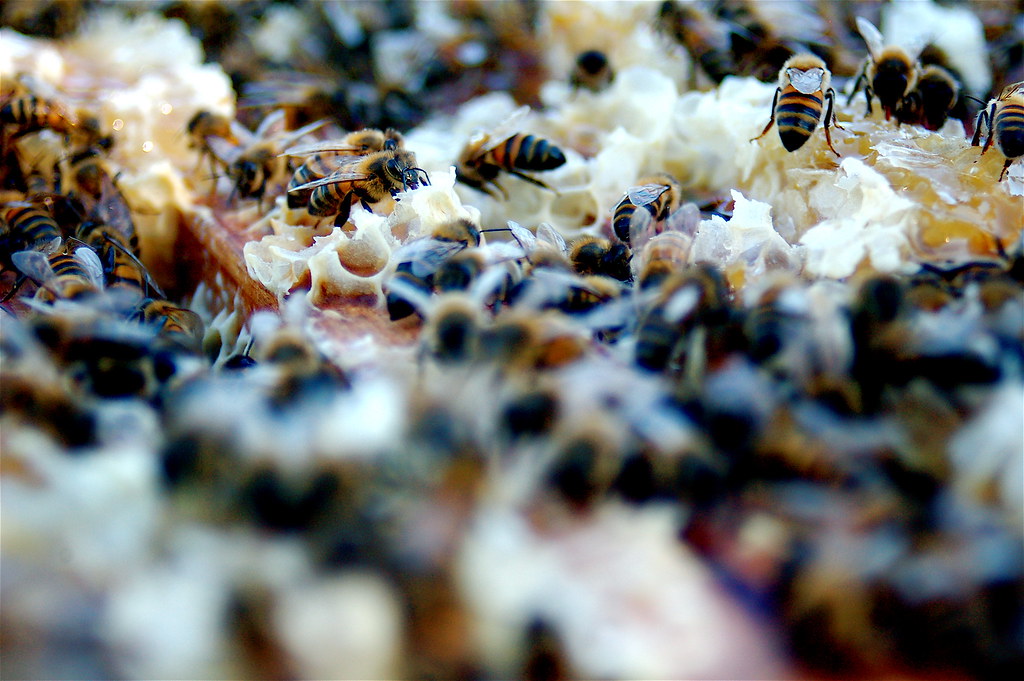
“Bees!” by Todd Huffman is licensed under CC BY 2.0.
Life.
A bee’s life “Bee” gins as a tiny egg laid by the queen inside a wax cell in the hive. After a few days, the egg hatches into a small (And not very cute) larva. The larva cannot move much and spends its time eating the food that worker bees bring to it. As it grows, it sheds its skin several times. Then the workers seal the cell with wax, and the larva changes into a pupa. During this stage, its body slowly forms wings, legs, and eyes. It is almost impossible to think this tiny larva will become a maker of food for the world.
After some time, the young bee chews its way out of the cell and enters the very busy hive. At first, it does simple jobs such as cleaning cells and feeding younger larvae. This is like when you just joined a job and you start as the coffee delivery person to the rest of the office. As the bee gets older, it “Bee” gins building wax combs and helping guard the hive from attackers such as bears, Asian giant hornets, and VARROA DESTRUCTOR MITE, which attaches itself onto a bee’s back and feeds on its body fluids to weaken the bees, spread and contaminate viruses into the hive that can wipe out a whole colony. Later in its life, the bee becomes a forager and flies outside to collect nectar and pollen from flowers to feed the hive.

“Varroa destructor” by usgsbee is marked with CC0 1.0.
Did you see the photo? Pretty disgusting right? It made me shiver. This thing can even bite its way into a baby bee’s space and attach long before the bee is old enough to come out. This mite weakens individual bees and spreads harmful pathogens, or disa”Bee” ilities, most commonly Deformed wing virus, which makes bees to emerge with shriveled wings and shortened lifespans. As the infestation grows, entire colonies can decline rapidly, mostly leading to collapse if no action is taken.

“Varroa destructor” by Darin J McGuire is licensed under CC BY 4.0.
Its life cycle is closely tied to bee reproduction. A female mite enters a cell (That is carrying a bee that has not emerged yet)just before it is sealed, lays eggs, and her offspring feed on the developing bee. When the adult bee emerges, mature mites leave with it and continue spreading throughout the hive. This may sound very cunning, and it is. These mites are one of the biggest problems to the Western Honey Bee, eating its fat and body tissue which is already very disgusting. This also shortens energy storage and immune faction.
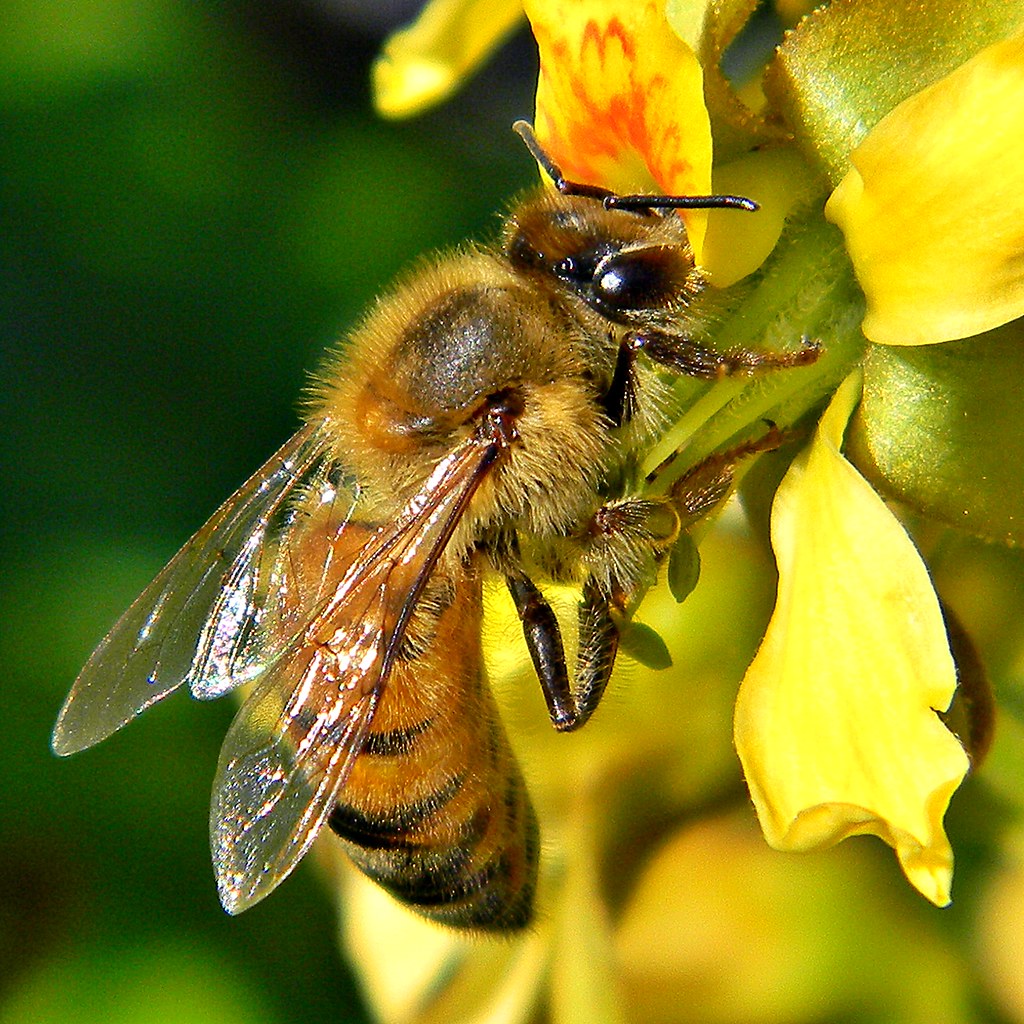
“Honey Bee & Gray Nickerbean” by bob in swamp is licensed under CC BY 2.0.
Bees can “talk” to each other using a special movement called the waggle dance. This dance tells other bees where to find flowers, depending on what way the bee moves. But unfortunately a single worker bee will only make one tablespoon of honey in its lifetime. Bees also pollinate, by carrying pollen that travels from one flower to another when the pouch on the bees leg. They can sting to protect their hive. When one bee stings, it releases a smell that tells other bees to come help defend. But most bees only have one sting, once that is done, they die. Some people should also “Bee” ware of bee stings. Not everyone, but some people are allergic to bee stings and can die or get very serious consequences if they get stung. Another fact is that honey should never be fed to a baby until they are at least one year old. AT LEAST. Not before. Never “Bee” fore. Honey may contain spores that are harmless to older children and adults, but a baby has not developed enough stomach stuff to deal with these spores.

“Honey Comb” by beepollenhub is licensed under CC BY 2.0.
Bee’s pollinate flowers that make a lot of food, like blueberries, apples, almonds, and cherries. They also make zucchini, cucumber, some types of squash, and pumpkins. Without bees, we would not have jack-o’-lanterns on Halloween, apples in the fall, and we would only have bread and some other wind-pollinated food, but without pollinators, we would not have anything to put on the bread itself. This is the importance of the pollinators. lots of people walk into a massive grocery store and do not wonder where it came from or who made it other than the company who are NOT Mother Nature. Unless you count asteroids, almost everything in the world comes from Mother Nature, and we do not protect that balance. Thus, we do not understand that we are hacking away at a bond that keeps all species together in THE circle of life. Not many people stop and think about how very much we owe this planet.
—Gloryruleshs
Comments
6 responses
gloryruleshs, thank you so much for this post! U R the best!!!!
Ilovethisso much12345
yaaaaaaaaaaaaaaaayyyyyyyyyyyyyyyyaaaaaaaaaaayyyyyyyyy
#lovethis
So cool and interesting!
So cool and interesting!